

Welcome to the PC Pool Care
BLOG
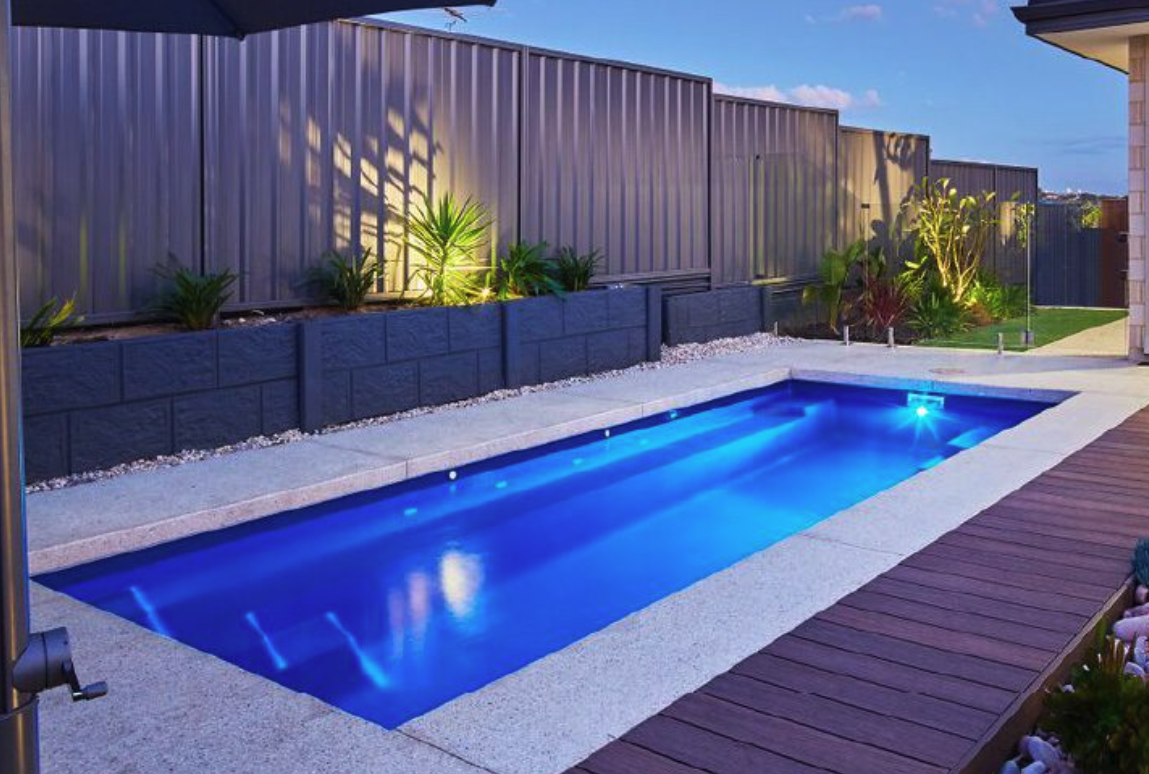
Saltwater Pools vs Chlorine Pools - What’s Better for Your Home?
Saltwater Pools vs Chlorine Pools - What’s Better for Your Home?
When choosing a swimming pool system, many homeowners ask whether a saltwater pool or a traditional chlorine pool is the better option. The truth is that neither is better across the board, and the right choice depends on your lifestyle, budget, and how your pool is maintained.
Saltwater pools use a salt chlorinator to generate chlorine naturally. This usually results in softer-feeling water that is gentler on skin and eyes and has less of the strong chlorine smell people dislike. While saltwater pools are often seen as low maintenance, they still require regular servicing, water balancing, and cleaning of the chlorinator cell to prevent damage to equipment and surfaces.
Chlorine pools are generally cheaper to install and simpler in setup. They rely on manually adding chemicals, which gives pool owners more control but can also lead to unstable water if dosing is inconsistent. When chlorine levels fluctuate, pools can quickly become cloudy or develop algae if not maintained properly.
From a servicing point of view, both pool types need regular cleaning, filter maintenance, and water testing. Neither system is set and forget, and most problems we see come from skipped services rather than the type of pool itself.
Saltwater pools can cause corrosion and equipment wear if water balance is neglected, while chlorine pools can become harsh and unsafe if chemicals are overused. In both cases, consistent professional care is what keeps pools clear, safe, and running efficiently.
At PC Pool Care, we service both saltwater and chlorine pools and tailor our approach based on your pool system, usage, and condition. The best pool isn’t determined by salt or chlorine, but by how well it’s looked after year-round.
Seasonal Pool Maintenance Checklist – What Every Pool Owner Should Do Year-Round
Introduction
Many pool owners assume maintenance is a set-and-forget task. In reality, pools in South East Queensland are heavily affected by seasonal changes, and failing to adjust care routines can lead to algae growth, equipment strain, and higher operating costs.
Why Seasonal Pool Care Matters
Temperature, rainfall, and usage levels all impact water chemistry and equipment workload throughout the year. According to Royal Life Saving Society Australia, regular maintenance is essential for keeping pools both safe and functional in Australian climates.
Summer: High Usage, High Risk
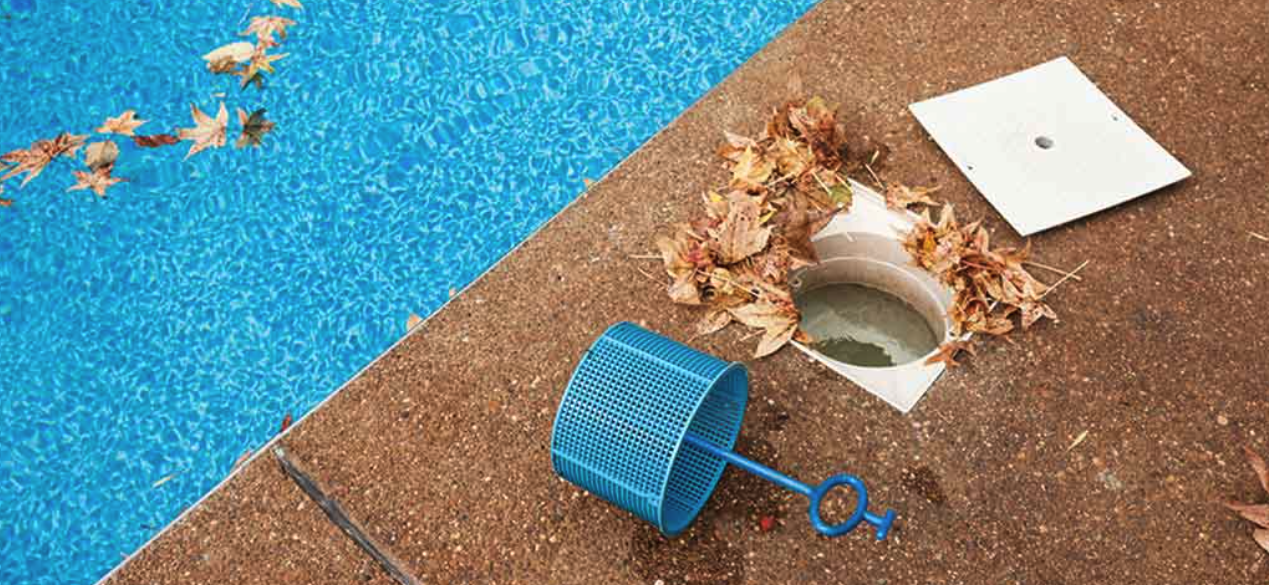
Summer places the greatest demand on pool systems. Warm temperatures and frequent swimming cause chlorine to break down faster and algae to grow more rapidly. During summer, water should be tested multiple times per week, skimmer baskets emptied regularly, surfaces brushed to prevent algae buildup, and chlorine levels closely monitored.
Autumn: Managing Debris and Transition
Autumn brings increased leaf debris and organic matter. Prompt removal of leaves, thorough filter cleaning, and rebalancing water chemistry help prevent staining and algae growth as usage begins to slow.
Winter: Protecting Water and Equipment
Even during Brisbane’s mild winters, pools still require attention. Maintaining minimum sanitiser levels, inspecting equipment for leaks, reducing pump run times without stopping circulation completely, and monitoring calcium hardness help prevent corrosion and scale during cooler months.
Spring: Resetting for the Swim Season
Spring is when issues from winter neglect often appear. A full water test, inspection of pumps and filters, and shock treatment if needed help reset the pool. Early spring maintenance prevents algae outbreaks before peak swimming season begins.
Why Professional Servicing Makes a Difference
Professional pool servicing ensures seasonal adjustments are accurate and consistent. Technicians can detect early signs of equipment wear or water imbalance before they escalate into costly problems. For Australian pool owners, guidance from Swimming Pool & Spa Association of Australia highlights the importance of ongoing professional care.
Final Thoughts
Pools rarely fail suddenly. They deteriorate from missed maintenance over time. Following a seasonal checklist and working with a professional local pool service keeps your pool clear, safe, and running efficiently all year.
The Hidden Damage of Poor Pool Water Balance (And How to Prevent Costly Repairs)
ntroduction
A swimming pool should be an asset, not a financial drain. Yet many Australian pool owners unknowingly shorten the lifespan of their pool simply by neglecting proper water balance. While cloudy water or algae are obvious warning signs, the most serious damage often occurs quietly beneath the surface, inside pipes, equipment, and finishes.
What Does Pool Water Balance Mean?
Pool water balance refers to maintaining the correct chemical levels so water is safe, comfortable, and non-damaging. This includes managing pH levels, total alkalinity, calcium hardness, and sanitiser levels such as chlorine or mineral systems. When these levels fall outside recommended ranges, water becomes either corrosive or scale-forming, both of which lead to long-term damage.
According to Queensland Health, maintaining correct pool water chemistry is essential for swimmer safety and for preventing deterioration of pool infrastructure and equipment.
How Unbalanced Water Causes Hidden Damage
Low pH and low alkalinity make pool water acidic. Acidic water attacks metal components including heaters, pumps, filters, ladders, and fittings. Over time, corrosion weakens these components, leading to leaks, reduced efficiency, and premature equipment failure that can be costly to repair or replace.
High pH and high calcium hardness create the opposite problem by causing scale buildup. Scale forms hard white deposits on pool tiles, surfaces, heaters, and inside plumbing. This restricts water flow, reduces heating efficiency, and places unnecessary strain on circulation systems. Once scale forms inside pipes or heaters, it is difficult and expensive to remove.
Unbalanced water also damages pool finishes. Acidic water can etch plaster surfaces, leaving them rough and uncomfortable. High mineral levels can stain fibreglass pools and discolour tiles or grout. These issues often result in premature resurfacing or cosmetic repairs that could have been avoided with proper maintenance.
Warning Signs Pool Owners Often Miss
Many pool owners overlook early indicators of chemical imbalance. Metallic staining on steps, rough surfaces, frequent equipment breakdowns, rapid chlorine loss, and eye or skin irritation are often symptoms of long-term instability rather than isolated issues.
Why DIY Testing Isn’t Always Enough
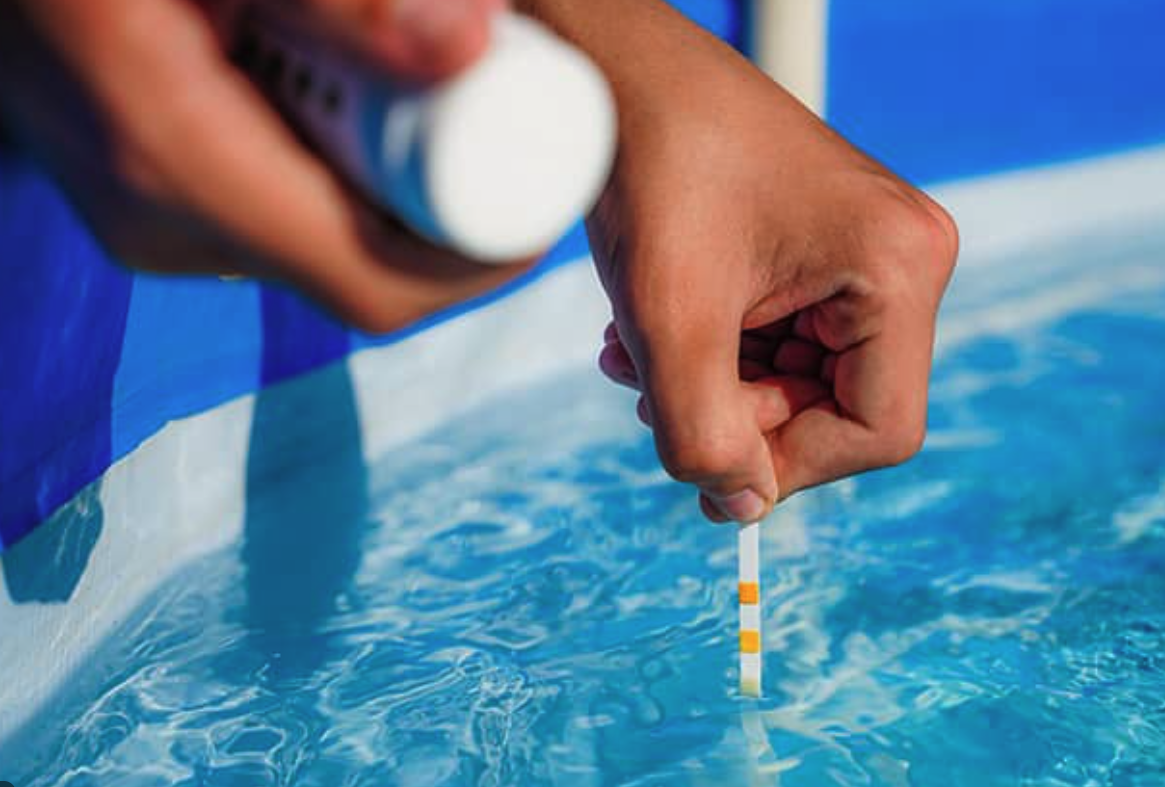
While home testing kits are helpful, they often lack precision and do not test all key parameters accurately. Inconsistent readings can lead to overcorrecting chemicals, causing unstable water conditions that accelerate damage rather than prevent it.
Professional water analysis uses calibrated equipment and trained interpretation to maintain consistent chemistry over time. For a technical explanation of how water chemistry impacts pool materials, Swimming Pool & Spa Association of Australia provides detailed guidance for Australian conditions.
The Value of Professional Pool Maintenance
A professional pool service helps protect your investment by maintaining stable water chemistry, identifying early warning signs, and servicing equipment before failures occur. Regular servicing costs significantly less than replacing pumps, heaters, or resurfacing a pool.
Final Thoughts
Poor water balance doesn’t just affect how your pool looks. It quietly shortens its lifespan. Routine professional maintenance keeps your pool safe, efficient, and enjoyable for years to come.
Signs Your Pool Needs Professional Servicing (Before It Gets Expensive)
Signs Your Pool Needs Professional Servicing (Before It Gets Expensive)
Many pool problems don’t appear overnight. They usually start small, with subtle signs that are easy to overlook until the issue becomes costly.Knowing when your pool needs professional servicing can help prevent major repairs, water quality issues, and unnecessary downtime.
This guide outlines the most common warning signs that indicate it’s time to book a professional pool service before minor issues turn into expensive problems.
Cloudy or Dull Pool Water
Cloudy water is one of the earliest signs that something isn’t right.It often indicates poor filtration, chemical imbalance, or a build-up of fine debris that the system isn’t removing effectively.
If your water doesn’t clear within a short time after basic maintenance, professional servicing is usually required to identify the underlying cause.
Algae Appearing on Walls or Steps
Algae growth rarely happens without warning.Small patches on walls, steps, or corners often appear before a full outbreak occurs.
Regular brushing and correct water balance are essential to preventing algae. If it keeps returning, it’s a sign that professional servicing is needed to address circulation, filtration, or sanitisation issues.
Pool Equipment Sounds Louder Than Usual
Unusual noises from your pool pump or filtration system should never be ignored.Grinding, rattling, or whining sounds can indicate blockages, worn components, or circulation problems.
Early equipment checks help prevent breakdowns that can lead to costly repairs or complete equipment replacement.
Learn more about professional pool equipment
Leaves and Debris Building Up Quickly
If leaves and debris are accumulating faster than usual, it may indicate restricted water flow or clogged baskets and filters.When debris isn’t removed efficiently, it places extra strain on your pool system and affects water clarity.
Regular professional servicing ensures baskets are emptied, filters are maintained, and circulation remains effective.
Water Chemistry Is Hard to Keep Balanced
If you find yourself constantly adding chemicals without stable results, your pool may need professional attention for the water chemistry.Imbalanced water can be caused by poor circulation, dirty filters, or issues with dosing systems.
Water testing is included in regular pool servicing, with chemicals supplied and charged separately as required.
Salt Chlorinator or Injection System Issues
Salt systems and chemical injection hoses require regular cleaning to function properly.If chlorine levels fluctuate or the system struggles to maintain sanitisation, build-up on the cell or hoses may be the cause.
Professional servicing includes cleaning these components as required to ensure accurate dosing and efficient operation.
Filter Pressure Keeps Increasing
Rising filter pressure is a clear sign that your filtration system is struggling.Dirty or blocked filters reduce water flow and can quickly impact water quality.
Regular backwashing and cartridge cleaning help maintain filtration efficiency and protect pool equipment from unnecessary strain.
Pool Looks Clean but Feels Unpleasant to Swim In
Sometimes pools look fine but don’t feel right.Stinging eyes, dry skin, or strong chemical smells often indicate imbalanced water chemistry.
Professional servicing ensures water is safe, comfortable, and properly balanced for swimmers.
Why Ignoring These Signs Gets Expensive
Small pool issues rarely resolve themselves.Left untreated, they often lead to algae outbreaks, green pool recoveries, or equipment failures that cost significantly more to fix. Regular servicing reduces long-term costs by addressing problems early.
How Regular Pool Servicing Prevents These Issues
A regular pool service focuses on consistency and preventative care.Each visit includes checking pool equipment, cleaning salt cells and injection hoses, emptying baskets, scooping leaves, brushing walls and steps, backwashing filters, and cleaning cartridge filters.
Water is tested every visit, with chemicals supplied separately if required. This structured approach helps maintain water quality and protects equipment year-round.
Frequently Asked Questions
How often should my pool be professionally serviced?
Most pools in Queensland benefit from regular servicing, especially during warmer months and periods of high usage.
Can professional servicing prevent green pools?
Yes. Regular servicing helps maintain water balance and filtration, significantly reducing the risk of algae outbreaks.
Are chemicals included in regular pool servicing?
Water testing is included, but chemicals are supplied and charged separately based on pool requirements.
Ready to Get Your Pool Back on Track?
If you’ve noticed any of these warning signs, early professional servicing can save you time, money, and stress.Regular pool servicing keeps your pool clean, safe, and operating efficiently before small issues become major problems.
Book a regular pool service here: https://www.pcpoolcare.com.au/contact
What’s Included in a Regular Pool Service?
What’s Included in a Regular Pool Service?
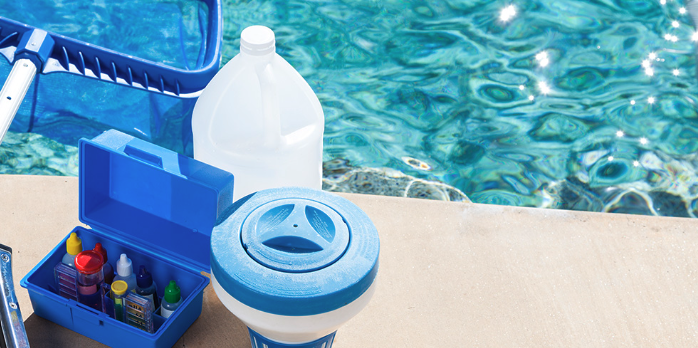
If you own a swimming pool, you’ve likely heard the term “regular pool service”, but many pool owners aren’t completely sure what that actually includes. Some expect a full deep clean every visit, while others assume chemicals are always included.Understanding exactly what’s covered in a regular pool service helps set clear expectations, prevents confusion, and ensures your pool is maintained properly year-round.
This guide explains what’s included in a professional regular pool service, why each step matters, and how consistent servicing protects your pool and equipment over time.
What Is a Regular Pool Service?
A regular pool service is a scheduled maintenance visit designed to keep your pool clean, safe, and operating efficiently at an interval that suits your needs.Rather than reacting to problems after they appear, regular servicing focuses on preventative maintenance and consistent care.
This approach is particularly important in South East Queensland, where heat, rainfall, and debris can quickly affect water quality and pool equipment.
What’s Included in a Professional Regular Pool Service?
A professional regular pool service follows a consistent checklist to ensure your pool remains in good condition. While services are tailored to suit each pool, homeowners can expect the following core inclusions.
Pool Equipment Check
Each visit includes a general check of your pool equipment to ensure everything is operating correctly.This involves checking the pump, filter system, chlorinator, and overall circulation to identify early signs of wear or malfunction.
Early detection helps prevent costly breakdowns and unexpected downtime.
Cleaning Salt Cells and Injection Hoses
Salt cells and chemical injection hoses are cleaned as required to maintain accurate dosing and efficient operation.Build-up on these components can affect water balance and place unnecessary strain on equipment if left unattended.
Regular cleaning supports consistent sanitisation and system reliability.
Emptying Baskets and Scooping Leaves
Skimmer baskets and pump baskets are emptied to maintain proper water flow.Leaves and debris are scooped from the pool surface to prevent them from sinking and breaking down.
This step helps reduce strain on filters and keeps water clearer between visits.
Brushing Pool Walls and Steps
Pool walls and steps are brushed to remove early algae growth, calcium buildup, and surface debris.Brushing is essential because sanitiser alone cannot remove all contaminants from pool surfaces.
Consistent brushing significantly reduces the risk of algae problems developing.
Filter Maintenance and Backwashing
Filters are maintained to ensure efficient water circulation.This includes backwashing filters where required and cleaning cartridge filters to remove trapped debris.
Proper filtration is critical for water clarity and overall pool health.
Water Testing (Chemicals Charged Separately)
Water is tested during each service to assess chlorine levels, pH balance, and overall water condition.Any chemicals required to rebalance the water are supplied and charged separately, based on what the pool needs at the time.
What a Regular Pool Service Does Not Include
It’s important for pool owners to understand what falls outside the scope of a standard regular service.Major repairs, replacement parts, acid washing, green pool recovery, and full vacuuming are not automatically included unless quoted separately.
Clear communication ensures expectations are aligned and avoids surprises.
Why Regular Pool Servicing Is the Best Value Year-Round
Regular pool servicing is designed to maintain consistency and prevent problems before they escalate.Skipping servicing or relying on irregular maintenance often leads to algae outbreaks, chemical imbalance, and premature equipment failure.
Preventative servicing is almost always more cost-effective than reactive repairs.
Is a Regular Pool Service Right for Your Pool?
Regular pool servicing suits most residential pools, particularly those with regular use, surrounding trees, or older equipment.Service intervals can be adjusted based on usage, season, and pool condition to ensure optimal results.
You can view all professional pool services available here
Frequently Asked Questions
Are chemicals included in a regular pool service?
Water testing is included, but chemicals are supplied and charged separately based on usage and pool requirements.
How long does a regular pool service take?
Most regular pool services take between 30 and 45 minutes, depending on pool size and condition.
Does regular servicing prevent major pool issues?
Yes. Regular servicing helps identify small problems early, reducing the likelihood of major repairs or green pool situations.
Ready for Reliable, Year-Round Pool Care?
Keeping your pool clean and operating properly doesn’t have to be time-consuming or stressful.With a regular pool service, your pool receives consistent care at an interval that suits you, delivering reliable performance year-round.
Book a regular pool service here: https://www.pcpoolcare.com.au/contact

Top-Rated Pool Services in Logan - Keep Your Pool Sparkling Year-Round
Top-Rated Pool Services in Logan - Keep Your Pool Sparkling Year-Round
Owning a swimming pool in Logan is a huge lifestyle benefit - but only when it’s properly maintained. Between heat, heavy use, and seasonal debris, pools in this area require consistent, professional care to stay clean, safe, and reliable.
As a local professional pool service provider servicing pools across Logan, we see firsthand how quickly water quality and equipment can deteriorate without proper maintenance. This guide explains why regular pool servicing matters, common pool problems we fix, and how professional pool services keep your pool in top condition all year round.
Why Regular Pool Maintenance Is Essential
Regular pool maintenance is about far more than appearance - it directly affects health, safety, and long-term costs.
In Logan’s warm climate, unbalanced pool water can quickly become a breeding ground for algae and bacteria. Without consistent servicing, swimmers are exposed to skin irritation, eye discomfort, and waterborne contaminants.
From an equipment perspective, poor water chemistry and debris buildup place unnecessary strain on pumps, filters, and chlorinators. Over time, this leads to avoidable breakdowns and expensive replacements.
Routine pool maintenance helps:
Keep water safe and hygienic
Extend the lifespan of pool equipment
Prevent costly emergency repairs
Ensure the pool is always swim-ready
Common Pool Problems We See in Logan (and How They’re Fixed)
Algae Growth
Algae is one of the most common issues we treat in Logan pools, especially during warmer months and periods of heavy rainfall.
Effective algae control requires more than just adding chlorine. We address algae by:
Correcting chlorine, pH, and stabiliser levels
Improving circulation and filtration
Thoroughly brushing walls, floors, and steps
Applying targeted treatments to prevent regrowth
Cloudy Pool Water
Cloudy water is often caused by poor filtration, chemical imbalance, or a buildup of oils and fine debris from swimmers.
To restore clarity, the process typically involves:
Cleaning or backwashing filters
Rebalancing water chemistry
Removing suspended particles through proper filtration
Pool Equipment Issues
We frequently see small pool equipment issues turn into major failures because they weren’t identified early.
Regular servicing allows us to:
Detect worn or failing pumps and filters
Identify blockages or leaks early
Maintain efficient water circulation
Preventative maintenance is almost always cheaper than reactive repairs.
Pool Services Available in Logan
Professional pool servicing covers all aspects of pool care, ensuring consistent water quality and reliable equipment performance.
Routine Pool Cleaning
Skimming leaves and debris
Vacuuming pool floors
Brushing walls, tiles, steps, and waterlines
Water Testing and Chemical Balancing
Chlorine and sanitiser management
pH, alkalinity, and calcium balancing
Adjustments based on swimmer load and season
Pool Equipment Servicing and Repairs
Pumps, filters, chlorinators, and heaters
Diagnosis of performance issues
Repairs or replacements when required
Seasonal Pool Care
Increased servicing during summer usage
Preventative maintenance in cooler months
Long-term protection of equipment and surfaces
How to Choose the Right Pool Service in Logan
Not all pool services deliver the same standard of care. When choosing a pool service provider in Logan, look for:
Local experience with Logan pool conditions
Clear communication and transparent pricing
Qualified technicians who understand pool chemistry
Flexible service plans that suit your pool and usage
Why Logan Pool Owners Choose Professional Pool Services
Pool maintenance requires consistency, technical knowledge, and the right equipment. Professional servicing removes the guesswork and ensures your pool is maintained correctly year-round.
With regular pool servicing, you gain:
Safe, balanced water
Reliable equipment performance
Fewer unexpected repair costs
More time to actually enjoy your pool
Keep Your Pool Clean, Safe, and Ready All Year Round
A well-maintained pool adds value to your home and enjoyment to your lifestyle. With professional pool services in Logan, you can be confident your pool is cared for properly - no shortcuts, no guesswork.

DIY vs. Professional Pool Servicing in Brisbane South – Which Truly Saves More?
How Can Winter Pool Maintenance Extend Your Pool Life Span ?
Although winter may seem like your pool's off-season, you can actually increase its lifespan by taking our pool maintenance Brisbane south service during the colder months. In addition to keeping your pool in good condition, adequate winter pool maintenance shields it from the elements, guards against damage, and guarantees that everything will function properly when the weather warms up again. You're investing in the longevity of your pool by taking pool maintenance redlands to maintain it now.
Benefits of extending the pool's lifespan through proper winter care:
Taking care of your pool during the winter brings some serious long-term benefits. Here’s why you should make winter maintenance a priority:
Prevents Freezing DamageFreezing water can be a pool’s worst enemy. When water inside pipes freezes, it expands, which can crack pipes, filters, and other equipment. Proper winterization prevents this from happening, saving you from costly repairs down the line.
Keeps Your Pool’s Surface SafeWithout proper care, your pool surface could suffer damage from dirt, algae, and staining. Winterizing your pool stops organic materials from building up and prevents the harsh winter weather from taking a toll on your pool’s surface.
Protects Your Pool Equipment Pool equipment like pumps, heaters, and filters can be expensive to replace. If you leave them exposed to freezing temperatures, they can break or become seriously damaged. Winterizing keeps these parts safe and in working order, ready to go when pool season starts up again.
Saves You MoneyThe last thing you want to do when spring rolls around is spend a fortune on repairs and maintenance. By taking our pool servicing redlands, you can avoid major repairs later, saving both time and money.
Steps for Winterizing Your Pool :
It might seem like a lot of work, but winterizing your pool is simple and can be done in just a few steps. Here’s a breakdown of what you need to do:
Step 1: Clean the Pool Thoroughly
Before you start the winterization process, it’s essential to give your pool a good cleaning. Skim off any leaves, debris, or dirt that’s settled in the pool. Then, vacuum the bottom and brush the walls. This way, nothing will get trapped in the water and cause problems while your pool is closed for the winter.
Step 2: Balance the Pool Chemicals
The last thing you want is to leave your pool with unbalanced chemicals that could cause damage. Check and adjust the pH, alkalinity, and calcium hardness. The right balance will help prevent the growth of algae and keep your pool’s surfaces from staining or corroding. It’s best to get these levels just right before you cover the pool.
Step 3: Lower the Water Level
To prevent freezing damage, lower the water level below the skimmer and return jets. But be careful not to lower it too much, as you don’t want the pool’s liner to shrink or shift. A few inches below the skimmer is usually the sweet spot.
Step 4: Drain and Store Pool Equipment
Drain all the water from your pool equipment, such as the pump, filter, and heater. If any water is left inside, it could freeze and cause damage. Once everything is drained, store the equipment in a dry, sheltered place where it won’t be exposed to the cold.
Step 5: Add a Pool Cover
The final step is to cover your pool. A solid cover will protect the pool from debris, help keep the water clean, and prevent chemicals from breaking down. Make sure the cover is secure and strong enough to withstand any snow or ice that might accumulate on top of it.
Why is Winter Pool Maintenance Essential ?
If you’ve ever had to deal with a broken pool pump or a cracked pipe, you know how frustrating and expensive those repairs can be. Winter maintenance is all about preventing those problems before they happen. By preparing your pool for the colder months, you’re protecting your investment and making sure that when you’re ready to swim again, everything is in perfect working order.
Plus, winterizing your pool doesn’t take much time. A few hours of work now can save you hours of headaches in the future.
Call to Action (CTA)
Worried about getting your pool ready for winter? Let PC Pool Care handle it for you. Our expert team will take care of everything from balancing chemicals to winterizing your equipment so you can relax and know your pool is in good hands. Contact us today to schedule your winter pool maintenance!
FAQs
Do I need to cover my pool for the winter?Yes, covering your pool is one of the most important steps in winterizing. It keeps debris out, protects the water, and helps preserve the pool’s chemicals.
Should I leave water in my pool during the winter?Yes, you should leave water in the pool. Lower the water level below the skimmer to prevent freezing in the pipes, but don’t empty it completely. Keeping water in helps prevent damage to the pool structure.
How do I prevent my pool pipes from freezing in winter?To prevent freezing, drain the water from all pipes and pool equipment. You can also use pool antifreeze to protect the plumbing from freezing temperatures.
What chemicals should I use in my pool during the winter?Balance the pH, alkalinity, and calcium hardness levels before closing the pool. You can also use winterizing chemicals like algaecides to help keep the water clean over the winter months.
Do I need to run the pool pump in winter?In colder climates, it’s a good idea to run the pool pump occasionally to keep the water circulating and prevent freezing in the lines. In milder climates, you can shut off the pump but should run it every few days to keep the water circulating.

Pool Opening Service – Why Hire a Professional?
How Can Winter Pool Maintenance Extend Your Pool Life Span ?
Although winter may seem like your pool's off-season, you can actually increase its lifespan by taking our pool maintenance Brisbane south service during the colder months. In addition to keeping your pool in good condition, adequate winter pool maintenance shields it from the elements, guards against damage, and guarantees that everything will function properly when the weather warms up again. You're investing in the longevity of your pool by taking pool maintenance redlands to maintain it now.
Benefits of extending the pool's lifespan through proper winter care:
Taking care of your pool during the winter brings some serious long-term benefits. Here’s why you should make winter maintenance a priority:
Prevents Freezing DamageFreezing water can be a pool’s worst enemy. When water inside pipes freezes, it expands, which can crack pipes, filters, and other equipment. Proper winterization prevents this from happening, saving you from costly repairs down the line.
Keeps Your Pool’s Surface SafeWithout proper care, your pool surface could suffer damage from dirt, algae, and staining. Winterizing your pool stops organic materials from building up and prevents the harsh winter weather from taking a toll on your pool’s surface.
Protects Your Pool Equipment Pool equipment like pumps, heaters, and filters can be expensive to replace. If you leave them exposed to freezing temperatures, they can break or become seriously damaged. Winterizing keeps these parts safe and in working order, ready to go when pool season starts up again.
Saves You MoneyThe last thing you want to do when spring rolls around is spend a fortune on repairs and maintenance. By taking our pool servicing redlands, you can avoid major repairs later, saving both time and money.
Steps for Winterizing Your Pool :
It might seem like a lot of work, but winterizing your pool is simple and can be done in just a few steps. Here’s a breakdown of what you need to do:
Step 1: Clean the Pool Thoroughly
Before you start the winterization process, it’s essential to give your pool a good cleaning. Skim off any leaves, debris, or dirt that’s settled in the pool. Then, vacuum the bottom and brush the walls. This way, nothing will get trapped in the water and cause problems while your pool is closed for the winter.
Step 2: Balance the Pool Chemicals
The last thing you want is to leave your pool with unbalanced chemicals that could cause damage. Check and adjust the pH, alkalinity, and calcium hardness. The right balance will help prevent the growth of algae and keep your pool’s surfaces from staining or corroding. It’s best to get these levels just right before you cover the pool.
Step 3: Lower the Water Level
To prevent freezing damage, lower the water level below the skimmer and return jets. But be careful not to lower it too much, as you don’t want the pool’s liner to shrink or shift. A few inches below the skimmer is usually the sweet spot.
Step 4: Drain and Store Pool Equipment
Drain all the water from your pool equipment, such as the pump, filter, and heater. If any water is left inside, it could freeze and cause damage. Once everything is drained, store the equipment in a dry, sheltered place where it won’t be exposed to the cold.
Step 5: Add a Pool Cover
The final step is to cover your pool. A solid cover will protect the pool from debris, help keep the water clean, and prevent chemicals from breaking down. Make sure the cover is secure and strong enough to withstand any snow or ice that might accumulate on top of it.
Why is Winter Pool Maintenance Essential ?
If you’ve ever had to deal with a broken pool pump or a cracked pipe, you know how frustrating and expensive those repairs can be. Winter maintenance is all about preventing those problems before they happen. By preparing your pool for the colder months, you’re protecting your investment and making sure that when you’re ready to swim again, everything is in perfect working order.
Plus, winterizing your pool doesn’t take much time. A few hours of work now can save you hours of headaches in the future.
Call to Action (CTA)
Worried about getting your pool ready for winter? Let PC Pool Care handle it for you. Our expert team will take care of everything from balancing chemicals to winterizing your equipment so you can relax and know your pool is in good hands. Contact us today to schedule your winter pool maintenance!
FAQs
Do I need to cover my pool for the winter?Yes, covering your pool is one of the most important steps in winterizing. It keeps debris out, protects the water, and helps preserve the pool’s chemicals.
Should I leave water in my pool during the winter?Yes, you should leave water in the pool. Lower the water level below the skimmer to prevent freezing in the pipes, but don’t empty it completely. Keeping water in helps prevent damage to the pool structure.
How do I prevent my pool pipes from freezing in winter?To prevent freezing, drain the water from all pipes and pool equipment. You can also use pool antifreeze to protect the plumbing from freezing temperatures.
What chemicals should I use in my pool during the winter?Balance the pH, alkalinity, and calcium hardness levels before closing the pool. You can also use winterizing chemicals like algaecides to help keep the water clean over the winter months.
Do I need to run the pool pump in winter?In colder climates, it’s a good idea to run the pool pump occasionally to keep the water circulating and prevent freezing in the lines. In milder climates, you can shut off the pump but should run it every few days to keep the water circulating.

6 Reasons to Use a Solar Pool Cover in Australia During Autumn and Winter
How Can Winter Pool Maintenance Extend Your Pool Life Span ?
Although winter may seem like your pool's off-season, you can actually increase its lifespan by taking our pool maintenance Brisbane south service during the colder months. In addition to keeping your pool in good condition, adequate winter pool maintenance shields it from the elements, guards against damage, and guarantees that everything will function properly when the weather warms up again. You're investing in the longevity of your pool by taking pool maintenance redlands to maintain it now.
Benefits of extending the pool's lifespan through proper winter care:
Taking care of your pool during the winter brings some serious long-term benefits. Here’s why you should make winter maintenance a priority:
Prevents Freezing DamageFreezing water can be a pool’s worst enemy. When water inside pipes freezes, it expands, which can crack pipes, filters, and other equipment. Proper winterization prevents this from happening, saving you from costly repairs down the line.
Keeps Your Pool’s Surface SafeWithout proper care, your pool surface could suffer damage from dirt, algae, and staining. Winterizing your pool stops organic materials from building up and prevents the harsh winter weather from taking a toll on your pool’s surface.
Protects Your Pool Equipment Pool equipment like pumps, heaters, and filters can be expensive to replace. If you leave them exposed to freezing temperatures, they can break or become seriously damaged. Winterizing keeps these parts safe and in working order, ready to go when pool season starts up again.
Saves You MoneyThe last thing you want to do when spring rolls around is spend a fortune on repairs and maintenance. By taking our pool servicing redlands, you can avoid major repairs later, saving both time and money.
Steps for Winterizing Your Pool :
It might seem like a lot of work, but winterizing your pool is simple and can be done in just a few steps. Here’s a breakdown of what you need to do:
Step 1: Clean the Pool Thoroughly
Before you start the winterization process, it’s essential to give your pool a good cleaning. Skim off any leaves, debris, or dirt that’s settled in the pool. Then, vacuum the bottom and brush the walls. This way, nothing will get trapped in the water and cause problems while your pool is closed for the winter.
Step 2: Balance the Pool Chemicals
The last thing you want is to leave your pool with unbalanced chemicals that could cause damage. Check and adjust the pH, alkalinity, and calcium hardness. The right balance will help prevent the growth of algae and keep your pool’s surfaces from staining or corroding. It’s best to get these levels just right before you cover the pool.
Step 3: Lower the Water Level
To prevent freezing damage, lower the water level below the skimmer and return jets. But be careful not to lower it too much, as you don’t want the pool’s liner to shrink or shift. A few inches below the skimmer is usually the sweet spot.
Step 4: Drain and Store Pool Equipment
Drain all the water from your pool equipment, such as the pump, filter, and heater. If any water is left inside, it could freeze and cause damage. Once everything is drained, store the equipment in a dry, sheltered place where it won’t be exposed to the cold.
Step 5: Add a Pool Cover
The final step is to cover your pool. A solid cover will protect the pool from debris, help keep the water clean, and prevent chemicals from breaking down. Make sure the cover is secure and strong enough to withstand any snow or ice that might accumulate on top of it.
Why is Winter Pool Maintenance Essential ?
If you’ve ever had to deal with a broken pool pump or a cracked pipe, you know how frustrating and expensive those repairs can be. Winter maintenance is all about preventing those problems before they happen. By preparing your pool for the colder months, you’re protecting your investment and making sure that when you’re ready to swim again, everything is in perfect working order.
Plus, winterizing your pool doesn’t take much time. A few hours of work now can save you hours of headaches in the future.
Call to Action (CTA)
Worried about getting your pool ready for winter? Let PC Pool Care handle it for you. Our expert team will take care of everything from balancing chemicals to winterizing your equipment so you can relax and know your pool is in good hands. Contact us today to schedule your winter pool maintenance!
FAQs
Do I need to cover my pool for the winter?Yes, covering your pool is one of the most important steps in winterizing. It keeps debris out, protects the water, and helps preserve the pool’s chemicals.
Should I leave water in my pool during the winter?Yes, you should leave water in the pool. Lower the water level below the skimmer to prevent freezing in the pipes, but don’t empty it completely. Keeping water in helps prevent damage to the pool structure.
How do I prevent my pool pipes from freezing in winter?To prevent freezing, drain the water from all pipes and pool equipment. You can also use pool antifreeze to protect the plumbing from freezing temperatures.
What chemicals should I use in my pool during the winter?Balance the pH, alkalinity, and calcium hardness levels before closing the pool. You can also use winterizing chemicals like algaecides to help keep the water clean over the winter months.
Do I need to run the pool pump in winter?In colder climates, it’s a good idea to run the pool pump occasionally to keep the water circulating and prevent freezing in the lines. In milder climates, you can shut off the pump but should run it every few days to keep the water circulating.

A Complete Guide to Keeping Your Pool Clean and Safe
How Can Winter Pool Maintenance Extend Your Pool Life Span ?
Although winter may seem like your pool's off-season, you can actually increase its lifespan by taking our pool maintenance Brisbane south service during the colder months. In addition to keeping your pool in good condition, adequate winter pool maintenance shields it from the elements, guards against damage, and guarantees that everything will function properly when the weather warms up again. You're investing in the longevity of your pool by taking pool maintenance redlands to maintain it now.
Benefits of extending the pool's lifespan through proper winter care:
Taking care of your pool during the winter brings some serious long-term benefits. Here’s why you should make winter maintenance a priority:
Prevents Freezing DamageFreezing water can be a pool’s worst enemy. When water inside pipes freezes, it expands, which can crack pipes, filters, and other equipment. Proper winterization prevents this from happening, saving you from costly repairs down the line.
Keeps Your Pool’s Surface SafeWithout proper care, your pool surface could suffer damage from dirt, algae, and staining. Winterizing your pool stops organic materials from building up and prevents the harsh winter weather from taking a toll on your pool’s surface.
Protects Your Pool Equipment Pool equipment like pumps, heaters, and filters can be expensive to replace. If you leave them exposed to freezing temperatures, they can break or become seriously damaged. Winterizing keeps these parts safe and in working order, ready to go when pool season starts up again.
Saves You MoneyThe last thing you want to do when spring rolls around is spend a fortune on repairs and maintenance. By taking our pool servicing redlands, you can avoid major repairs later, saving both time and money.
Steps for Winterizing Your Pool :
It might seem like a lot of work, but winterizing your pool is simple and can be done in just a few steps. Here’s a breakdown of what you need to do:
Step 1: Clean the Pool Thoroughly
Before you start the winterization process, it’s essential to give your pool a good cleaning. Skim off any leaves, debris, or dirt that’s settled in the pool. Then, vacuum the bottom and brush the walls. This way, nothing will get trapped in the water and cause problems while your pool is closed for the winter.
Step 2: Balance the Pool Chemicals
The last thing you want is to leave your pool with unbalanced chemicals that could cause damage. Check and adjust the pH, alkalinity, and calcium hardness. The right balance will help prevent the growth of algae and keep your pool’s surfaces from staining or corroding. It’s best to get these levels just right before you cover the pool.
Step 3: Lower the Water Level
To prevent freezing damage, lower the water level below the skimmer and return jets. But be careful not to lower it too much, as you don’t want the pool’s liner to shrink or shift. A few inches below the skimmer is usually the sweet spot.
Step 4: Drain and Store Pool Equipment
Drain all the water from your pool equipment, such as the pump, filter, and heater. If any water is left inside, it could freeze and cause damage. Once everything is drained, store the equipment in a dry, sheltered place where it won’t be exposed to the cold.
Step 5: Add a Pool Cover
The final step is to cover your pool. A solid cover will protect the pool from debris, help keep the water clean, and prevent chemicals from breaking down. Make sure the cover is secure and strong enough to withstand any snow or ice that might accumulate on top of it.
Why is Winter Pool Maintenance Essential ?
If you’ve ever had to deal with a broken pool pump or a cracked pipe, you know how frustrating and expensive those repairs can be. Winter maintenance is all about preventing those problems before they happen. By preparing your pool for the colder months, you’re protecting your investment and making sure that when you’re ready to swim again, everything is in perfect working order.
Plus, winterizing your pool doesn’t take much time. A few hours of work now can save you hours of headaches in the future.
Call to Action (CTA)
Worried about getting your pool ready for winter? Let PC Pool Care handle it for you. Our expert team will take care of everything from balancing chemicals to winterizing your equipment so you can relax and know your pool is in good hands. Contact us today to schedule your winter pool maintenance!
FAQs
Do I need to cover my pool for the winter?Yes, covering your pool is one of the most important steps in winterizing. It keeps debris out, protects the water, and helps preserve the pool’s chemicals.
Should I leave water in my pool during the winter?Yes, you should leave water in the pool. Lower the water level below the skimmer to prevent freezing in the pipes, but don’t empty it completely. Keeping water in helps prevent damage to the pool structure.
How do I prevent my pool pipes from freezing in winter?To prevent freezing, drain the water from all pipes and pool equipment. You can also use pool antifreeze to protect the plumbing from freezing temperatures.
What chemicals should I use in my pool during the winter?Balance the pH, alkalinity, and calcium hardness levels before closing the pool. You can also use winterizing chemicals like algaecides to help keep the water clean over the winter months.
Do I need to run the pool pump in winter?In colder climates, it’s a good idea to run the pool pump occasionally to keep the water circulating and prevent freezing in the lines. In milder climates, you can shut off the pump but should run it every few days to keep the water circulating.

How to Remove Black Algae Spots from Your Pool and Keep It Sparkling Clear
How Can Winter Pool Maintenance Extend Your Pool Life Span ?
Although winter may seem like your pool's off-season, you can actually increase its lifespan by taking our pool maintenance Brisbane south service during the colder months. In addition to keeping your pool in good condition, adequate winter pool maintenance shields it from the elements, guards against damage, and guarantees that everything will function properly when the weather warms up again. You're investing in the longevity of your pool by taking pool maintenance redlands to maintain it now.
Benefits of extending the pool's lifespan through proper winter care:
Taking care of your pool during the winter brings some serious long-term benefits. Here’s why you should make winter maintenance a priority:
Prevents Freezing DamageFreezing water can be a pool’s worst enemy. When water inside pipes freezes, it expands, which can crack pipes, filters, and other equipment. Proper winterization prevents this from happening, saving you from costly repairs down the line.
Keeps Your Pool’s Surface SafeWithout proper care, your pool surface could suffer damage from dirt, algae, and staining. Winterizing your pool stops organic materials from building up and prevents the harsh winter weather from taking a toll on your pool’s surface.
Protects Your Pool Equipment Pool equipment like pumps, heaters, and filters can be expensive to replace. If you leave them exposed to freezing temperatures, they can break or become seriously damaged. Winterizing keeps these parts safe and in working order, ready to go when pool season starts up again.
Saves You MoneyThe last thing you want to do when spring rolls around is spend a fortune on repairs and maintenance. By taking our pool servicing redlands, you can avoid major repairs later, saving both time and money.
Steps for Winterizing Your Pool :
It might seem like a lot of work, but winterizing your pool is simple and can be done in just a few steps. Here’s a breakdown of what you need to do:
Step 1: Clean the Pool Thoroughly
Before you start the winterization process, it’s essential to give your pool a good cleaning. Skim off any leaves, debris, or dirt that’s settled in the pool. Then, vacuum the bottom and brush the walls. This way, nothing will get trapped in the water and cause problems while your pool is closed for the winter.
Step 2: Balance the Pool Chemicals
The last thing you want is to leave your pool with unbalanced chemicals that could cause damage. Check and adjust the pH, alkalinity, and calcium hardness. The right balance will help prevent the growth of algae and keep your pool’s surfaces from staining or corroding. It’s best to get these levels just right before you cover the pool.
Step 3: Lower the Water Level
To prevent freezing damage, lower the water level below the skimmer and return jets. But be careful not to lower it too much, as you don’t want the pool’s liner to shrink or shift. A few inches below the skimmer is usually the sweet spot.
Step 4: Drain and Store Pool Equipment
Drain all the water from your pool equipment, such as the pump, filter, and heater. If any water is left inside, it could freeze and cause damage. Once everything is drained, store the equipment in a dry, sheltered place where it won’t be exposed to the cold.
Step 5: Add a Pool Cover
The final step is to cover your pool. A solid cover will protect the pool from debris, help keep the water clean, and prevent chemicals from breaking down. Make sure the cover is secure and strong enough to withstand any snow or ice that might accumulate on top of it.
Why is Winter Pool Maintenance Essential ?
If you’ve ever had to deal with a broken pool pump or a cracked pipe, you know how frustrating and expensive those repairs can be. Winter maintenance is all about preventing those problems before they happen. By preparing your pool for the colder months, you’re protecting your investment and making sure that when you’re ready to swim again, everything is in perfect working order.
Plus, winterizing your pool doesn’t take much time. A few hours of work now can save you hours of headaches in the future.
Call to Action (CTA)
Worried about getting your pool ready for winter? Let PC Pool Care handle it for you. Our expert team will take care of everything from balancing chemicals to winterizing your equipment so you can relax and know your pool is in good hands. Contact us today to schedule your winter pool maintenance!
FAQs
Do I need to cover my pool for the winter?Yes, covering your pool is one of the most important steps in winterizing. It keeps debris out, protects the water, and helps preserve the pool’s chemicals.
Should I leave water in my pool during the winter?Yes, you should leave water in the pool. Lower the water level below the skimmer to prevent freezing in the pipes, but don’t empty it completely. Keeping water in helps prevent damage to the pool structure.
How do I prevent my pool pipes from freezing in winter?To prevent freezing, drain the water from all pipes and pool equipment. You can also use pool antifreeze to protect the plumbing from freezing temperatures.
What chemicals should I use in my pool during the winter?Balance the pH, alkalinity, and calcium hardness levels before closing the pool. You can also use winterizing chemicals like algaecides to help keep the water clean over the winter months.
Do I need to run the pool pump in winter?In colder climates, it’s a good idea to run the pool pump occasionally to keep the water circulating and prevent freezing in the lines. In milder climates, you can shut off the pump but should run it every few days to keep the water circulating.

Best Pool Maintenance Schedule for Brisbane South & Redlands Weather
How Can Winter Pool Maintenance Extend Your Pool Life Span ?
Although winter may seem like your pool's off-season, you can actually increase its lifespan by taking our pool maintenance Brisbane south service during the colder months. In addition to keeping your pool in good condition, adequate winter pool maintenance shields it from the elements, guards against damage, and guarantees that everything will function properly when the weather warms up again. You're investing in the longevity of your pool by taking pool maintenance redlands to maintain it now.
Benefits of extending the pool's lifespan through proper winter care:
Taking care of your pool during the winter brings some serious long-term benefits. Here’s why you should make winter maintenance a priority:
Prevents Freezing DamageFreezing water can be a pool’s worst enemy. When water inside pipes freezes, it expands, which can crack pipes, filters, and other equipment. Proper winterization prevents this from happening, saving you from costly repairs down the line.
Keeps Your Pool’s Surface SafeWithout proper care, your pool surface could suffer damage from dirt, algae, and staining. Winterizing your pool stops organic materials from building up and prevents the harsh winter weather from taking a toll on your pool’s surface.
Protects Your Pool Equipment Pool equipment like pumps, heaters, and filters can be expensive to replace. If you leave them exposed to freezing temperatures, they can break or become seriously damaged. Winterizing keeps these parts safe and in working order, ready to go when pool season starts up again.
Saves You MoneyThe last thing you want to do when spring rolls around is spend a fortune on repairs and maintenance. By taking our pool servicing redlands, you can avoid major repairs later, saving both time and money.
Steps for Winterizing Your Pool :
It might seem like a lot of work, but winterizing your pool is simple and can be done in just a few steps. Here’s a breakdown of what you need to do:
Step 1: Clean the Pool Thoroughly
Before you start the winterization process, it’s essential to give your pool a good cleaning. Skim off any leaves, debris, or dirt that’s settled in the pool. Then, vacuum the bottom and brush the walls. This way, nothing will get trapped in the water and cause problems while your pool is closed for the winter.
Step 2: Balance the Pool Chemicals
The last thing you want is to leave your pool with unbalanced chemicals that could cause damage. Check and adjust the pH, alkalinity, and calcium hardness. The right balance will help prevent the growth of algae and keep your pool’s surfaces from staining or corroding. It’s best to get these levels just right before you cover the pool.
Step 3: Lower the Water Level
To prevent freezing damage, lower the water level below the skimmer and return jets. But be careful not to lower it too much, as you don’t want the pool’s liner to shrink or shift. A few inches below the skimmer is usually the sweet spot.
Step 4: Drain and Store Pool Equipment
Drain all the water from your pool equipment, such as the pump, filter, and heater. If any water is left inside, it could freeze and cause damage. Once everything is drained, store the equipment in a dry, sheltered place where it won’t be exposed to the cold.
Step 5: Add a Pool Cover
The final step is to cover your pool. A solid cover will protect the pool from debris, help keep the water clean, and prevent chemicals from breaking down. Make sure the cover is secure and strong enough to withstand any snow or ice that might accumulate on top of it.
Why is Winter Pool Maintenance Essential ?
If you’ve ever had to deal with a broken pool pump or a cracked pipe, you know how frustrating and expensive those repairs can be. Winter maintenance is all about preventing those problems before they happen. By preparing your pool for the colder months, you’re protecting your investment and making sure that when you’re ready to swim again, everything is in perfect working order.
Plus, winterizing your pool doesn’t take much time. A few hours of work now can save you hours of headaches in the future.
Call to Action (CTA)
Worried about getting your pool ready for winter? Let PC Pool Care handle it for you. Our expert team will take care of everything from balancing chemicals to winterizing your equipment so you can relax and know your pool is in good hands. Contact us today to schedule your winter pool maintenance!
FAQs
Do I need to cover my pool for the winter?Yes, covering your pool is one of the most important steps in winterizing. It keeps debris out, protects the water, and helps preserve the pool’s chemicals.
Should I leave water in my pool during the winter?Yes, you should leave water in the pool. Lower the water level below the skimmer to prevent freezing in the pipes, but don’t empty it completely. Keeping water in helps prevent damage to the pool structure.
How do I prevent my pool pipes from freezing in winter?To prevent freezing, drain the water from all pipes and pool equipment. You can also use pool antifreeze to protect the plumbing from freezing temperatures.
What chemicals should I use in my pool during the winter?Balance the pH, alkalinity, and calcium hardness levels before closing the pool. You can also use winterizing chemicals like algaecides to help keep the water clean over the winter months.
Do I need to run the pool pump in winter?In colder climates, it’s a good idea to run the pool pump occasionally to keep the water circulating and prevent freezing in the lines. In milder climates, you can shut off the pump but should run it every few days to keep the water circulating.

The Ultimate Guide to Pool Maintenance: Tips for Every Season
How Can Winter Pool Maintenance Extend Your Pool Life Span ?
Although winter may seem like your pool's off-season, you can actually increase its lifespan by taking our pool maintenance Brisbane south service during the colder months. In addition to keeping your pool in good condition, adequate winter pool maintenance shields it from the elements, guards against damage, and guarantees that everything will function properly when the weather warms up again. You're investing in the longevity of your pool by taking pool maintenance redlands to maintain it now.
Benefits of extending the pool's lifespan through proper winter care:
Taking care of your pool during the winter brings some serious long-term benefits. Here’s why you should make winter maintenance a priority:
Prevents Freezing DamageFreezing water can be a pool’s worst enemy. When water inside pipes freezes, it expands, which can crack pipes, filters, and other equipment. Proper winterization prevents this from happening, saving you from costly repairs down the line.
Keeps Your Pool’s Surface SafeWithout proper care, your pool surface could suffer damage from dirt, algae, and staining. Winterizing your pool stops organic materials from building up and prevents the harsh winter weather from taking a toll on your pool’s surface.
Protects Your Pool Equipment Pool equipment like pumps, heaters, and filters can be expensive to replace. If you leave them exposed to freezing temperatures, they can break or become seriously damaged. Winterizing keeps these parts safe and in working order, ready to go when pool season starts up again.
Saves You MoneyThe last thing you want to do when spring rolls around is spend a fortune on repairs and maintenance. By taking our pool servicing redlands, you can avoid major repairs later, saving both time and money.
Steps for Winterizing Your Pool :
It might seem like a lot of work, but winterizing your pool is simple and can be done in just a few steps. Here’s a breakdown of what you need to do:
Step 1: Clean the Pool Thoroughly
Before you start the winterization process, it’s essential to give your pool a good cleaning. Skim off any leaves, debris, or dirt that’s settled in the pool. Then, vacuum the bottom and brush the walls. This way, nothing will get trapped in the water and cause problems while your pool is closed for the winter.
Step 2: Balance the Pool Chemicals
The last thing you want is to leave your pool with unbalanced chemicals that could cause damage. Check and adjust the pH, alkalinity, and calcium hardness. The right balance will help prevent the growth of algae and keep your pool’s surfaces from staining or corroding. It’s best to get these levels just right before you cover the pool.
Step 3: Lower the Water Level
To prevent freezing damage, lower the water level below the skimmer and return jets. But be careful not to lower it too much, as you don’t want the pool’s liner to shrink or shift. A few inches below the skimmer is usually the sweet spot.
Step 4: Drain and Store Pool Equipment
Drain all the water from your pool equipment, such as the pump, filter, and heater. If any water is left inside, it could freeze and cause damage. Once everything is drained, store the equipment in a dry, sheltered place where it won’t be exposed to the cold.
Step 5: Add a Pool Cover
The final step is to cover your pool. A solid cover will protect the pool from debris, help keep the water clean, and prevent chemicals from breaking down. Make sure the cover is secure and strong enough to withstand any snow or ice that might accumulate on top of it.
Why is Winter Pool Maintenance Essential ?
If you’ve ever had to deal with a broken pool pump or a cracked pipe, you know how frustrating and expensive those repairs can be. Winter maintenance is all about preventing those problems before they happen. By preparing your pool for the colder months, you’re protecting your investment and making sure that when you’re ready to swim again, everything is in perfect working order.
Plus, winterizing your pool doesn’t take much time. A few hours of work now can save you hours of headaches in the future.
Call to Action (CTA)
Worried about getting your pool ready for winter? Let PC Pool Care handle it for you. Our expert team will take care of everything from balancing chemicals to winterizing your equipment so you can relax and know your pool is in good hands. Contact us today to schedule your winter pool maintenance!
FAQs
Do I need to cover my pool for the winter?Yes, covering your pool is one of the most important steps in winterizing. It keeps debris out, protects the water, and helps preserve the pool’s chemicals.
Should I leave water in my pool during the winter?Yes, you should leave water in the pool. Lower the water level below the skimmer to prevent freezing in the pipes, but don’t empty it completely. Keeping water in helps prevent damage to the pool structure.
How do I prevent my pool pipes from freezing in winter?To prevent freezing, drain the water from all pipes and pool equipment. You can also use pool antifreeze to protect the plumbing from freezing temperatures.
What chemicals should I use in my pool during the winter?Balance the pH, alkalinity, and calcium hardness levels before closing the pool. You can also use winterizing chemicals like algaecides to help keep the water clean over the winter months.
Do I need to run the pool pump in winter?In colder climates, it’s a good idea to run the pool pump occasionally to keep the water circulating and prevent freezing in the lines. In milder climates, you can shut off the pump but should run it every few days to keep the water circulating.
How Can Winter Pool Maintenance Extend Your Pool Life Span ?
How Can Winter Pool Maintenance Extend Your Pool Life Span ?
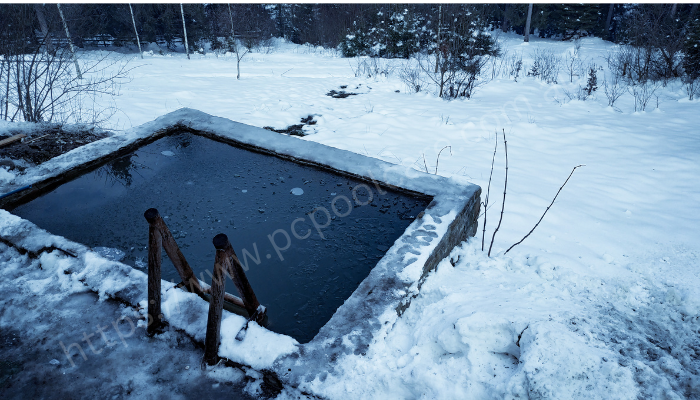
Although winter may seem like your pool's off-season, you can actually increase its lifespan by taking our pool maintenance Brisbane south service during the colder months. In addition to keeping your pool in good condition, adequate winter pool maintenance shields it from the elements, guards against damage, and guarantees that everything will function properly when the weather warms up again. You're investing in the longevity of your pool by taking pool maintenance redlands to maintain it now.
Benefits of extending the pool's lifespan through proper winter care:
Taking care of your pool during the winter brings some serious long-term benefits. Here’s why you should make winter maintenance a priority:
Prevents Freezing DamageFreezing water can be a pool’s worst enemy. When water inside pipes freezes, it expands, which can crack pipes, filters, and other equipment. Proper winterization prevents this from happening, saving you from costly repairs down the line.
Keeps Your Pool’s Surface SafeWithout proper care, your pool surface could suffer damage from dirt, algae, and staining. Winterizing your pool stops organic materials from building up and prevents the harsh winter weather from taking a toll on your pool’s surface.
Protects Your Pool Equipment Pool equipment like pumps, heaters, and filters can be expensive to replace. If you leave them exposed to freezing temperatures, they can break or become seriously damaged. Winterizing keeps these parts safe and in working order, ready to go when pool season starts up again.
Saves You MoneyThe last thing you want to do when spring rolls around is spend a fortune on repairs and maintenance. By taking our pool servicing redlands, you can avoid major repairs later, saving both time and money.
Steps for Winterizing Your Pool :
It might seem like a lot of work, but winterizing your pool is simple and can be done in just a few steps. Here’s a breakdown of what you need to do:
Step 1: Clean the Pool Thoroughly
Before you start the winterization process, it’s essential to give your pool a good cleaning. Skim off any leaves, debris, or dirt that’s settled in the pool. Then, vacuum the bottom and brush the walls. This way, nothing will get trapped in the water and cause problems while your pool is closed for the winter.
Step 2: Balance the Pool Chemicals
The last thing you want is to leave your pool with unbalanced chemicals that could cause damage. Check and adjust the pH, alkalinity, and calcium hardness. The right balance will help prevent the growth of algae and keep your pool’s surfaces from staining or corroding. It’s best to get these levels just right before you cover the pool.
Step 3: Lower the Water Level
To prevent freezing damage, lower the water level below the skimmer and return jets. But be careful not to lower it too much, as you don’t want the pool’s liner to shrink or shift. A few inches below the skimmer is usually the sweet spot.
Step 4: Drain and Store Pool Equipment
Drain all the water from your pool equipment, such as the pump, filter, and heater. If any water is left inside, it could freeze and cause damage. Once everything is drained, store the equipment in a dry, sheltered place where it won’t be exposed to the cold.
Step 5: Add a Pool Cover
The final step is to cover your pool. A solid cover will protect the pool from debris, help keep the water clean, and prevent chemicals from breaking down. Make sure the cover is secure and strong enough to withstand any snow or ice that might accumulate on top of it.
Why is Winter Pool Maintenance Essential ?
If you’ve ever had to deal with a broken pool pump or a cracked pipe, you know how frustrating and expensive those repairs can be. Winter maintenance is all about preventing those problems before they happen. By preparing your pool for the colder months, you’re protecting your investment and making sure that when you’re ready to swim again, everything is in perfect working order.
Plus, winterizing your pool doesn’t take much time. A few hours of work now can save you hours of headaches in the future.
Call to Action (CTA)
Worried about getting your pool ready for winter? Let PC Pool Care handle it for you. Our expert team will take care of everything from balancing chemicals to winterizing your equipment so you can relax and know your pool is in good hands. Contact us today to schedule your winter pool maintenance!
FAQs
Do I need to cover my pool for the winter?Yes, covering your pool is one of the most important steps in winterizing. It keeps debris out, protects the water, and helps preserve the pool’s chemicals.
Should I leave water in my pool during the winter?Yes, you should leave water in the pool. Lower the water level below the skimmer to prevent freezing in the pipes, but don’t empty it completely. Keeping water in helps prevent damage to the pool structure.
How do I prevent my pool pipes from freezing in winter?To prevent freezing, drain the water from all pipes and pool equipment. You can also use pool antifreeze to protect the plumbing from freezing temperatures.
What chemicals should I use in my pool during the winter?Balance the pH, alkalinity, and calcium hardness levels before closing the pool. You can also use winterizing chemicals like algaecides to help keep the water clean over the winter months.
Do I need to run the pool pump in winter?In colder climates, it’s a good idea to run the pool pump occasionally to keep the water circulating and prevent freezing in the lines. In milder climates, you can shut off the pump but should run it every few days to keep the water circulating.

How to Bring Your Green Pool Back to Pristine: Expert Tips from PC Pool Care
Green Pool PC Pool Care


