

The Hidden Damage of Poor Pool Water Balance (And How to Prevent Costly Repairs)
Introduction
A swimming pool should be an asset, not a financial drain. Yet many Australian pool owners unknowingly shorten the lifespan of their pool simply by neglecting proper water balance. While cloudy water or algae are obvious warning signs, the most serious damage often occurs quietly beneath the surface, inside pipes, equipment, and finishes.
What Does Pool Water Balance Mean?
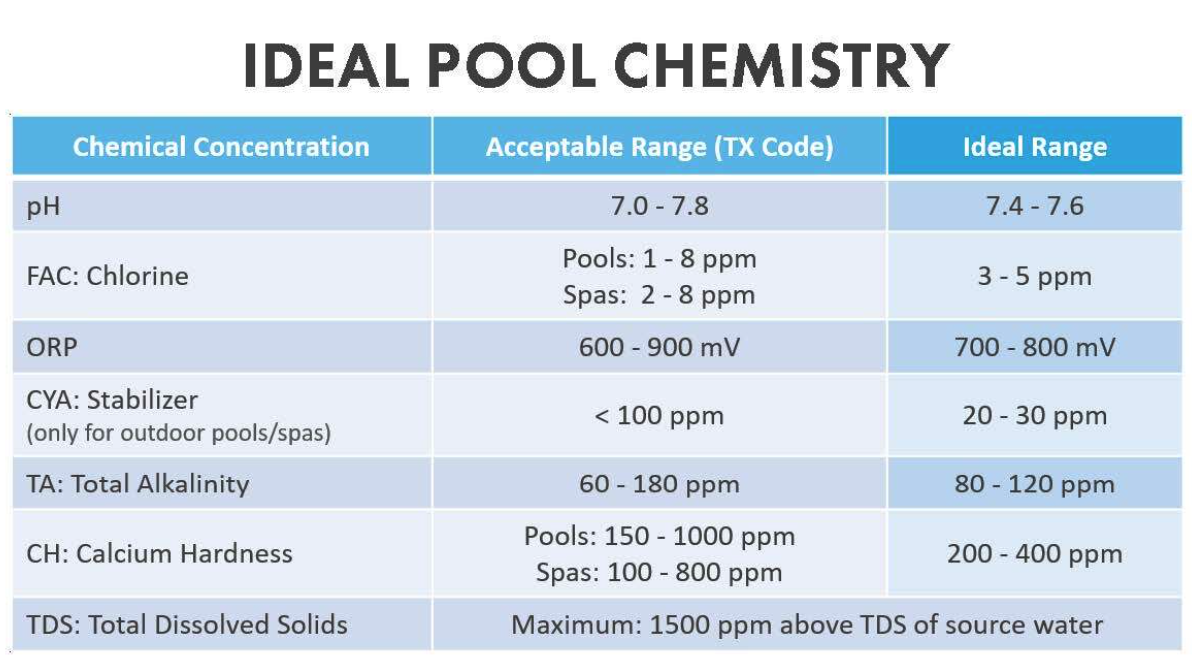
Pool water balance refers to maintaining the correct chemical levels so water is safe, comfortable, and non-damaging. This includes managing pH levels, total alkalinity, calcium hardness, and sanitiser levels such as chlorine or mineral systems. When these levels fall outside recommended ranges, water becomes either corrosive or scale-forming, both of which lead to long-term damage.
According to Queensland Health, maintaining correct pool water chemistry is essential for swimmer safety and for preventing deterioration of pool infrastructure and equipment.
How Unbalanced Water Causes Hidden Damage
Low pH and low alkalinity make pool water acidic. Acidic water attacks metal components including heaters, pumps, filters, ladders, and fittings. Over time, corrosion weakens these components, leading to leaks, reduced efficiency, and premature equipment failure that can be costly to repair or replace.
High pH and high calcium hardness create the opposite problem by causing scale buildup. Scale forms hard white deposits on pool tiles, surfaces, heaters, and inside plumbing. This restricts water flow, reduces heating efficiency, and places unnecessary strain on circulation systems. Once scale forms inside pipes or heaters, it is difficult and expensive to remove.
Unbalanced water also damages pool finishes. Acidic water can etch plaster surfaces, leaving them rough and uncomfortable. High mineral levels can stain fibreglass pools and discolour tiles or grout. These issues often result in premature resurfacing or cosmetic repairs that could have been avoided with proper maintenance.
Warning Signs Pool Owners Often Miss
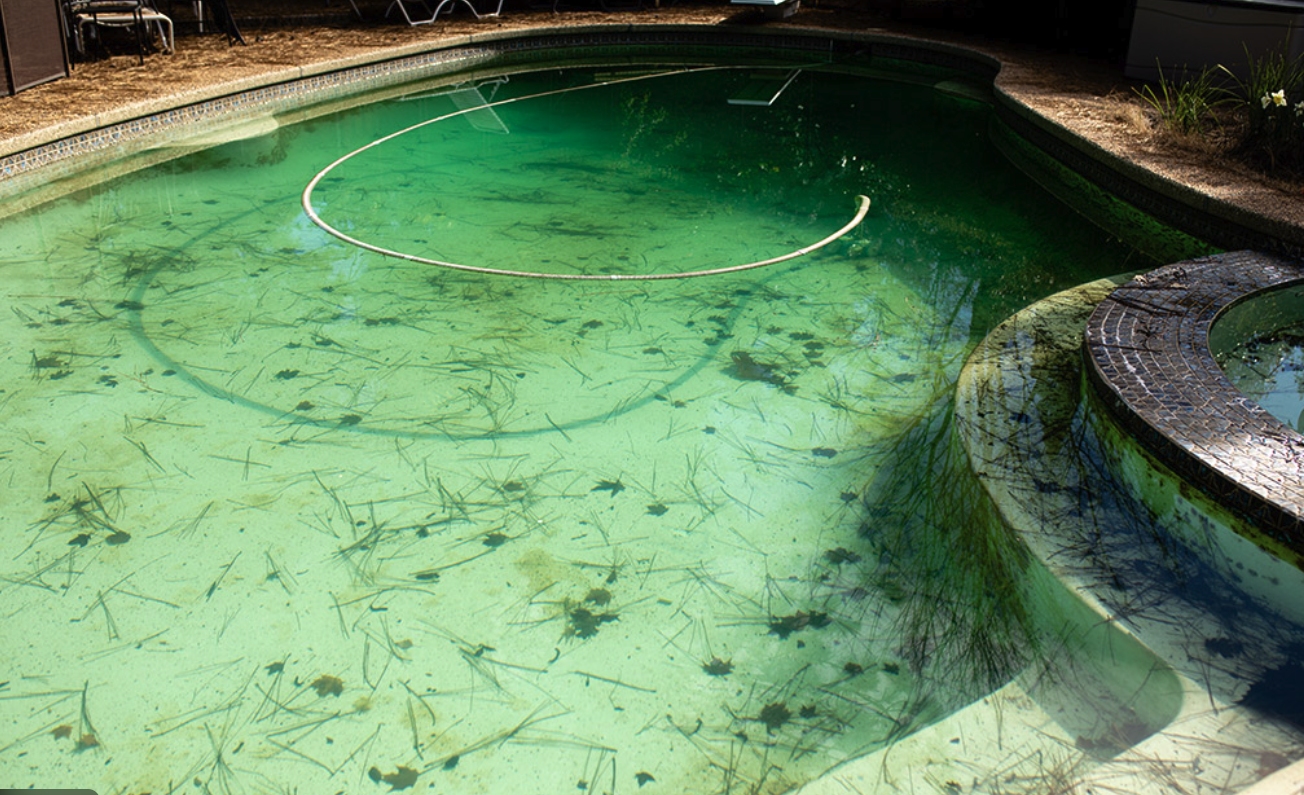
Many pool owners overlook early indicators of chemical imbalance. Metallic staining on steps, rough surfaces, frequent equipment breakdowns, rapid chlorine loss, and eye or skin irritation are often symptoms of long-term instability rather than isolated issues.
Why DIY Testing Isn’t Always Enough
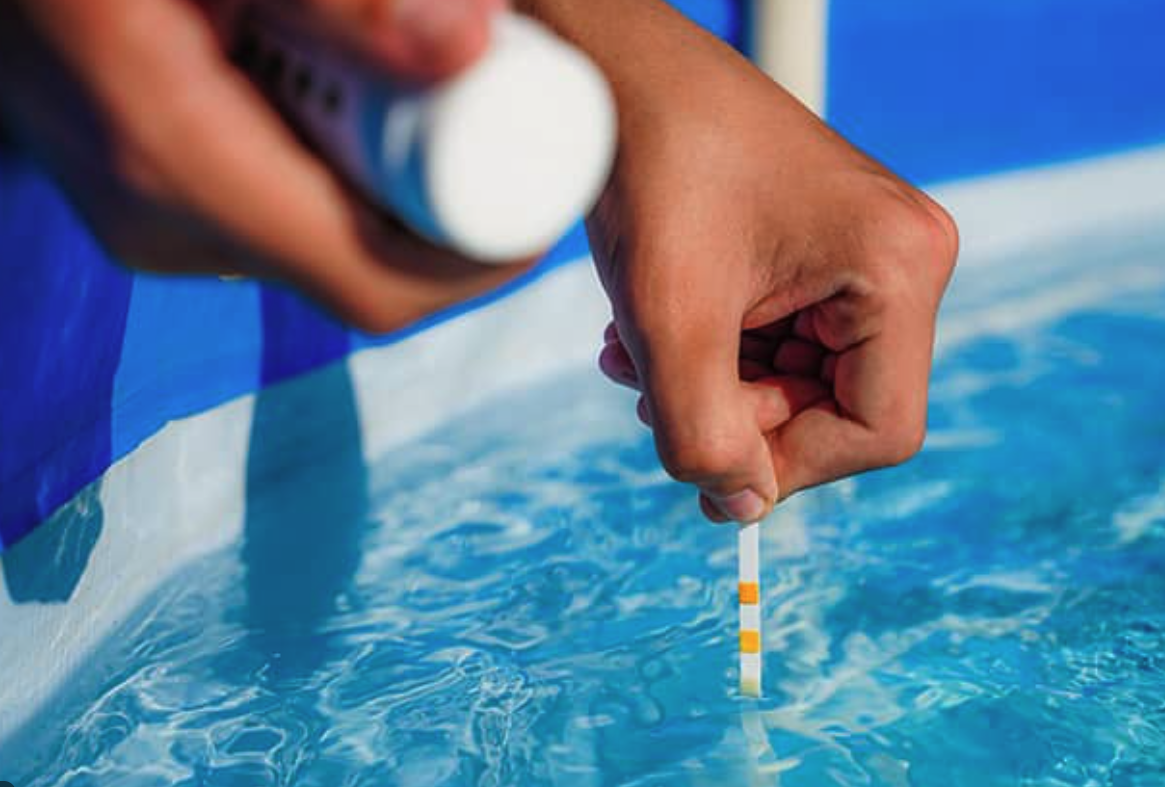
While home testing kits are helpful, they often lack precision and do not test all key parameters accurately. Inconsistent readings can lead to overcorrecting chemicals, causing unstable water conditions that accelerate damage rather than prevent it.
Professional water analysis uses calibrated equipment and trained interpretation to maintain consistent chemistry over time. For a technical explanation of how water chemistry impacts pool materials, Swimming Pool & Spa Association of Australia provides detailed guidance for Australian conditions.
The Value of Professional Pool Maintenance
A professional pool service helps protect your investment by maintaining stable water chemistry, identifying early warning signs, and servicing equipment before failures occur. Regular servicing costs significantly less than replacing pumps, heaters, or resurfacing a pool.
Final Thoughts
Poor water balance doesn’t just affect how your pool looks. It quietly shortens its lifespan. Routine professional maintenance keeps your pool safe, efficient, and enjoyable for years to come.
Book Now